





Tools
Rendering glass without waiting all week
Glass is slow because it is honest. Here is how I keep it honest and still deliver a 45-second film on two machines.
Glass is the material clients ask for most, and the one that costs the most render time. Real glass bends light, splits it into color, and reflects the room. Every one of those is a ray the renderer has to follow.
Decide what the glass is for
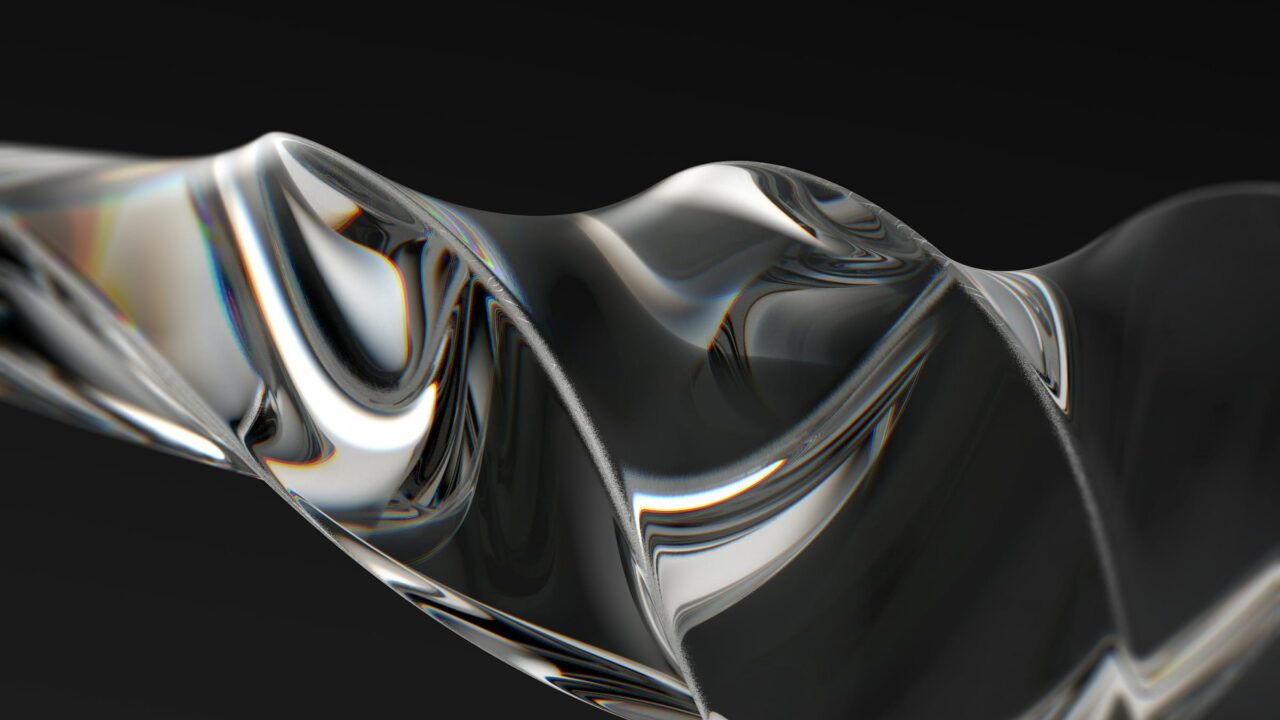
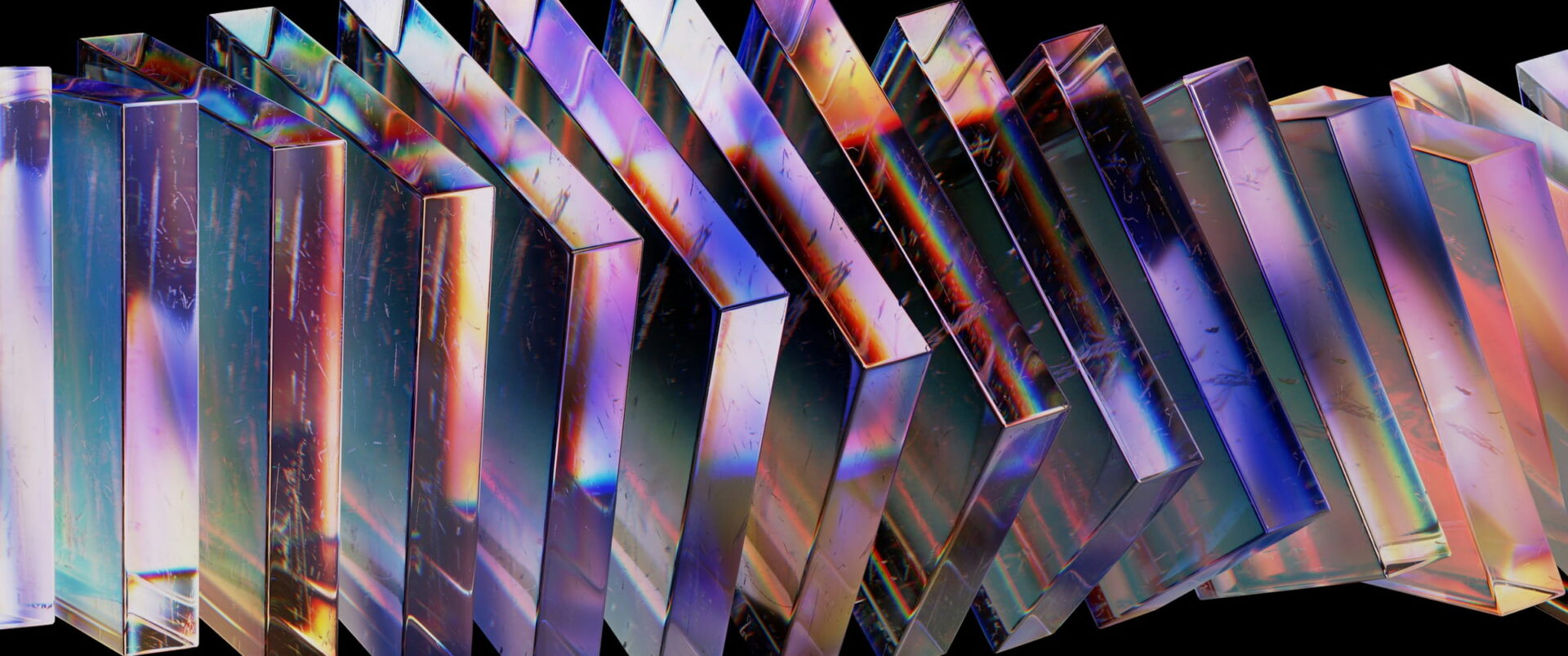
For the Ostrane lens launch, the glass was the story, so it got real dispersion and full caustics. For the Tessel blocks, the glass was a surface, so it got clear refraction and nothing else. Most glass in most shots is the second kind.
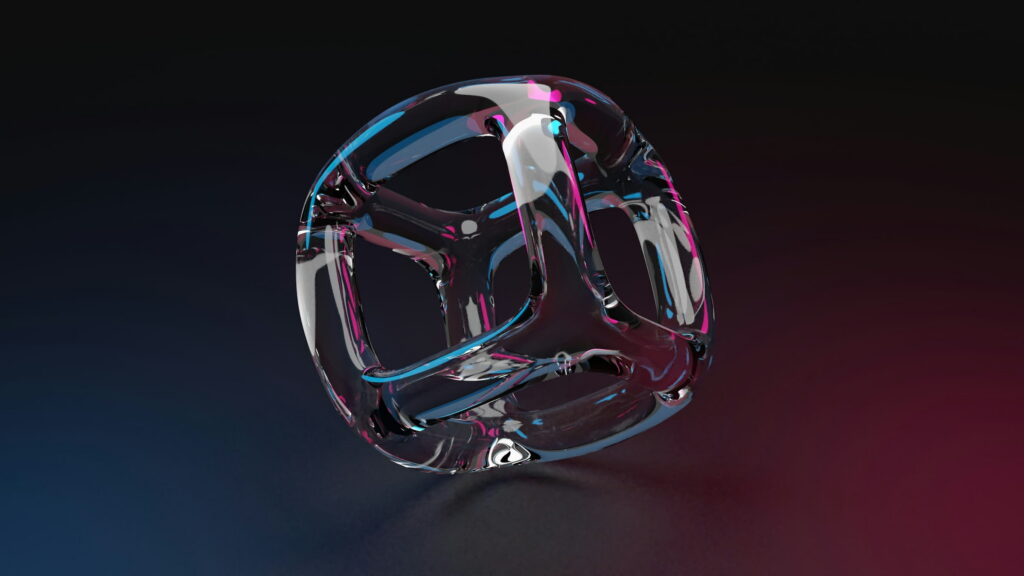
Three settings that saved the job
- Limit the bounces inside the glass to what the shot can show. Eight was enough. Thirty-two looked the same.
- Render the caustics as their own pass, at half resolution, and add them back in compositing.
- Use a simple room for reflections, not an empty one. An empty room makes glass look like plastic.
The render farm is two machines under the desk. Every setting has to earn its place.
Noa Calder
The whole Ostrane film rendered in four days. The first test, with every setting at maximum, would have taken three weeks.